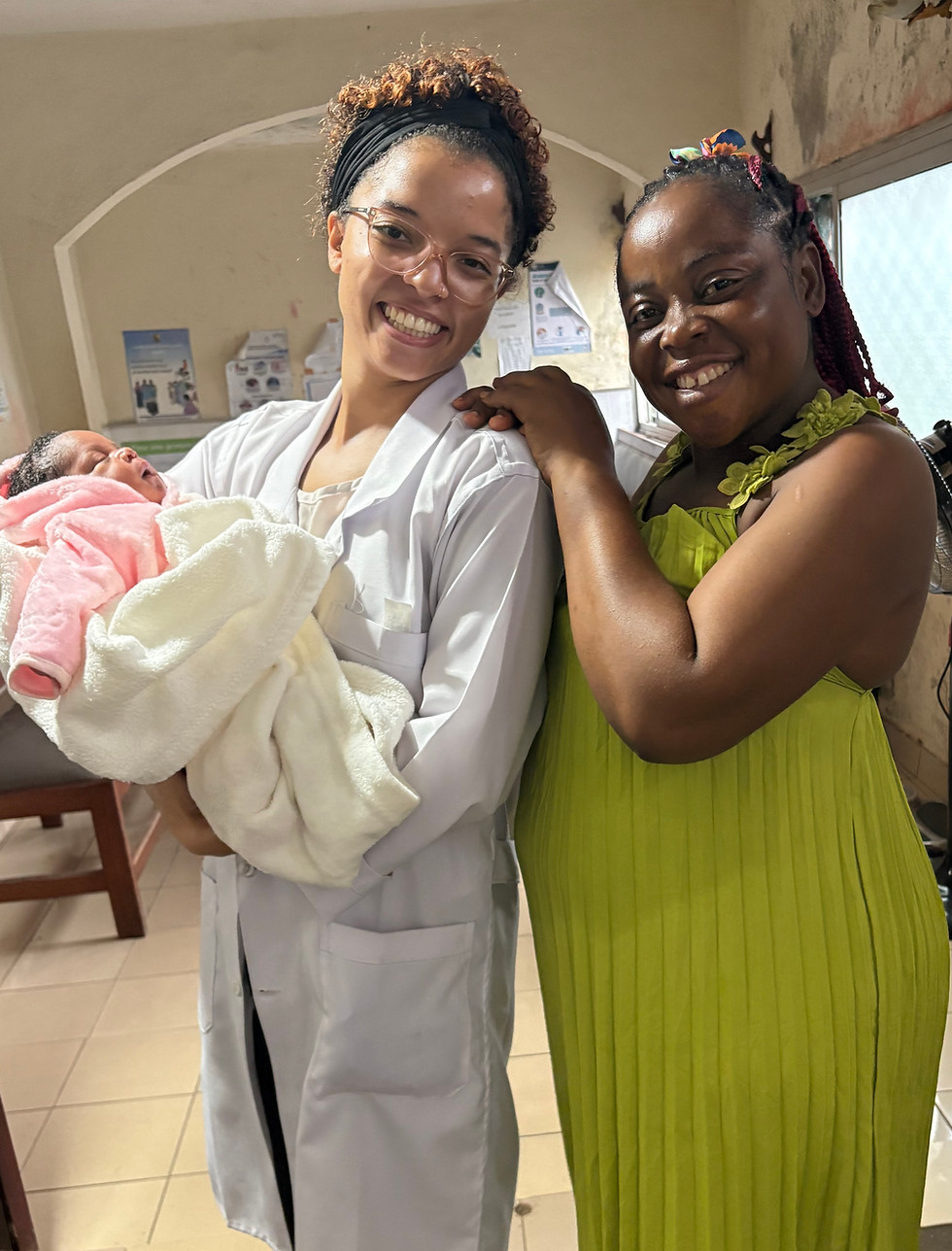
Birthing Between Tongues and Tensions: Intergenerational Stress Transmission Amongst Displaced Anglophone Women in Francophone Douala
This study investigates how sociolinguistic identity, discrimination, and social/community support impact maternal-infant health among displaced Anglophone women in Douala, Cameroon. Due to its history of split colonial rule, Cameroon is regionally, socially, and politically divided into Anglophone and Francophone regions, with Anglophones constituting the sociolinguistic and political minority. Since the outbreak of the Anglophone separatist conflict in 2016, many Anglophones have been displaced to Francophone Douala, now experiencing pregnancy in the context of everyday discrimination and systemic neglect. Previous evidence suggests that chronic stress during pregnancy can affect birth outcomes. This project explores how everyday interactions become embodied during pregnancy through neuroendocrine pathways associated with stress and affiliation. The study draws on ethnographic, biomarker, and survey data to connect lived experiences of social identity, marginalization, and social connection with outcomes relevant to maternal-infant health. It explores language as a biosocial determinant of health, offering new insights into how identity, inequality, and support shape health in this population.